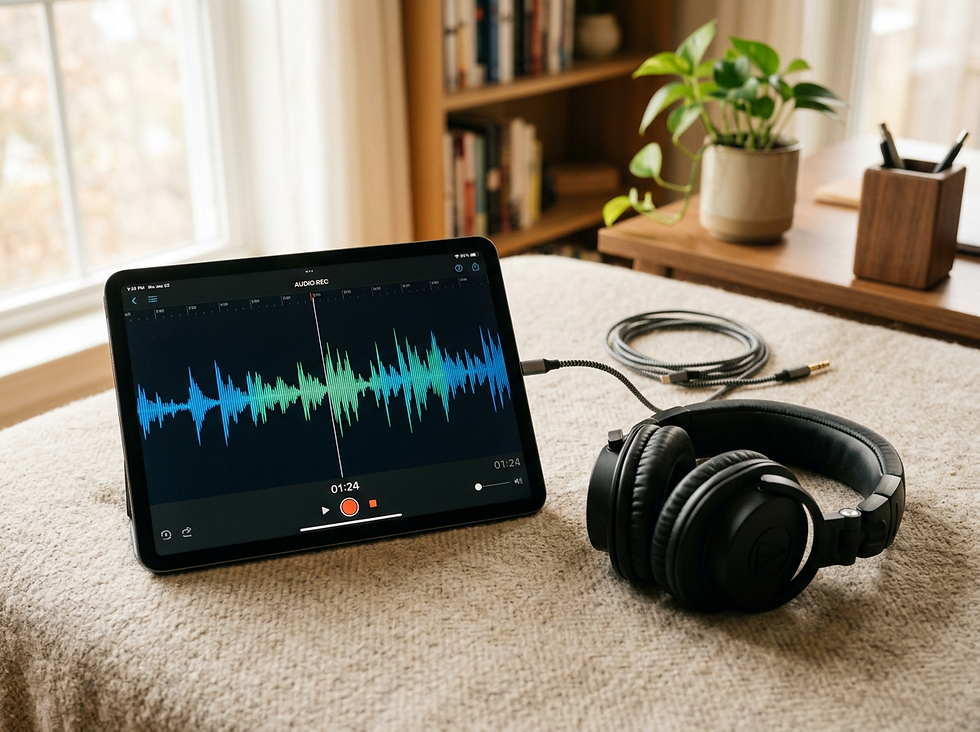
AlphaTheta HDJ-F9 Review and Features Explained
DJ headphones have a harder job than most people realise. They need to cut through booth noise, survive being twisted and folded all night, and still feel comfortable after hours of cueing. The AlphaTheta HDJ-F9 sits in that world: a DJ-focused headphone for people who care more about monitoring, isolation, and durability than living-room hi-fi polish.
This review explains what matters about the HDJ-F9, where it should perform well, and what to check before buying. Exact bundles and specifications can vary by retailer, so always confirm cable type, included accessories, and warranty details before checkout.
Check the product HERE
The HDJ-F9 is built around DJ use first
The HDJ-F9 makes the most sense when viewed as a booth tool, not a casual fashion headphone. That means the priorities are different from general wireless headphones or studio open-backs.
A DJ headphone needs to do three things well:
Block enough outside noise so cue points are easy to hear
Deliver a clear, punchy signal for beatmatching
Handle repeated one-ear monitoring without feeling fragile
That last point matters. Many headphones sound good at home, then feel wrong in a booth because the headband is too stiff, the earcups do not rotate naturally, or the cable gets in the way. The HDJ line has traditionally focused on practical DJ handling, and the HDJ-F9 should appeal most if that is what you need.
It is less likely to be the best choice if you mainly want relaxed listening on the train, mixing quiet acoustic music, or long studio mastering sessions. For those uses, comfort and tonal neutrality may matter more than isolation and physical toughness.
Design and comfort feel practical rather than flashy
A good DJ headphone should feel secure without clamping like a vice. The HDJ-F9 appears aimed at that balance. The over-ear format should help with passive noise isolation, while padded earcups reduce fatigue during longer sets.
The key comfort question is not whether the headphone feels good for five minutes. It is whether it still feels good after repeated cueing. DJs often move between full-ear listening and one-ear monitoring, so swivel and cup movement matter as much as padding.
Look for these comfort details when trying it in a shop:
Headband pressure
It should stay stable when you move, without creating a hotspot on the top of the head.
Earcup depth
Your ears should not press hard against the inner driver cover.
Swivel resistance
The cups should move smoothly, but not feel loose or wobbly.
Weight balance
A heavier headphone can still feel fine if the weight is spread evenly.
If the HDJ-F9 is being used for mobile DJ work, folding and storage also matter. A headphone that packs neatly into a bag is easier to protect between gigs. That matters more than it sounds, because most headphone failures come from transport, cable strain, or repeated twisting.
Sound is about clarity under pressure
The most useful DJ sound is not always the most “accurate” sound. In a loud room, bass impact, midrange clarity, and transient detail matter. You need to hear the kick drum, snare, hi-hats, and vocal cues quickly.
That is where a DJ-tuned headphone like the AlphaTheta HDJ-F9 should make sense. The tuning should help with fast decisions rather than slow, analytical listening. Strong low-end helps with beatmatching, but too much bass can blur kick drums. Crisp highs help find rhythm details, but too much brightness becomes tiring.
The ideal balance is:
What DJs need
What can go wrong
Clear kicks, defined snares, easy cueing, strong isolation
Bloated bass, sharp treble, narrow comfort range, cable noise
For electronic music, hip-hop, house, techno, pop, and club-focused sets, the HDJ-F9 should feel more at home than a delicate studio headphone. For classical, jazz, or detailed production work, it may not be the first pick unless you specifically like a DJ-style sound.
Isolation may be its biggest real-world advantage
In a booth, isolation is not a luxury. It affects timing. If outside sound leaks in too easily, cueing becomes slower and less precise. You turn the headphone up, your ears get tired, and small mistakes become easier to make.
Closed-back DJ headphones usually help by sealing around the ear. The HDJ-F9 should be judged on how well it blocks crowd noise, monitor spill, and low-frequency rumble. Passive isolation can be more useful than noise cancellation for DJing because it keeps latency and processing out of the signal path.
A simple test works well. Put the headphones on without music playing. If speech and room noise drop noticeably, the seal is doing its job. Then play a familiar track at a moderate volume. You should not need extreme loudness to follow the beat.
If you wear glasses, test the seal carefully. Glasses can break the cushion contact and reduce bass response. This happens with many over-ear headphones, not just DJ models.
Build quality should be judged by stress points
The most important parts of a DJ headphone are not always the parts listed on a spec sheet. Hinges, yokes, cable connectors, and headband joints do the hard work.
Before buying the HDJ-F9, check these points:
The hinges should move cleanly without clicking or grinding.
The cable entry should feel firm, not loose.
The headband should flex without creaking too much.
The cushions should feel replaceable or easy to maintain.
The folding mechanism should not pinch the cable.
Replaceable parts are a big plus. Ear pads wear out, especially in warm clubs and during long sessions. A headphone becomes much better value if pads and cables can be replaced instead of forcing a full replacement.
Strengths and drawbacks
Strengths | Drawbacks |
DJ-first design should suit booth use and one-ear monitoring | May be less ideal for relaxed home listening |
Closed-back form should help with isolation | Exact performance depends heavily on fit and seal |
Likely a better match for club music than neutral studio work | Buyers should verify cables, case, and replacement parts |
Practical build matters for gigging and transport | Not enough to judge by specifications alone |
The biggest strength is focus. The HDJ-F9 appears made for a specific job: helping DJs hear what matters in loud environments. That clarity of purpose is valuable.
The main drawback is also tied to that focus. If you want one headphone for DJing, commuting, gaming, studio editing, and casual listening, a specialised DJ model may feel too purposeful.
Verdict
The AlphaTheta HDJ-F9 is best understood as a serious DJ headphone for cueing, isolation, and durable handling. It should suit club DJs, mobile DJs, and home performers who practise on proper decks or controllers and want a headphone that behaves like booth gear.
Buy it if you value secure fit, strong isolation, practical design, and clear cue monitoring. Be more cautious if you want a soft, hi-fi-style headphone for long relaxed listening sessions.
The smartest next step is simple: try it with music you know. Use a track with a tight kick, busy percussion, and a vocal or lead line. If the HDJ-F9 lets you lock onto the beat quickly without raising the volume too far, it is doing the job a DJ headphone should do.
Check the product HERE